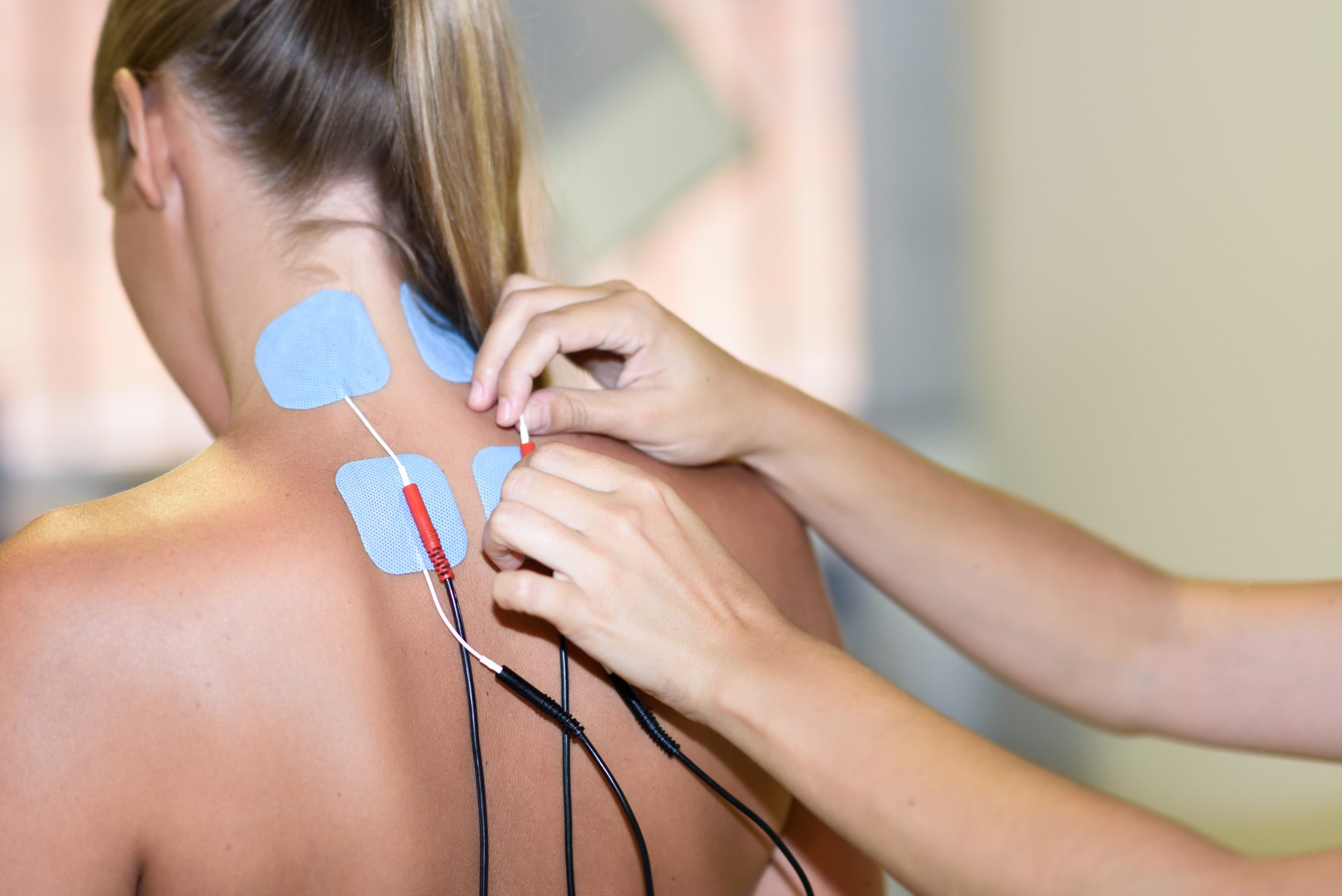
Electrotherapy in Physiotherapy at The Physicare
Electrotherapy is a powerful supportive tool in modern physiotherapy that uses
carefully controlled electrical, thermal, or ultrasonic energy to relieve pain,
reduce inflammation, stimulate muscles, and accelerate tissue healing.
At The Physicare, electrotherapy is never used in isolation. It is strategically
combined with manual therapy, corrective exercises, posture retraining, and
ergonomic education to ensure long-term recovery—not just temporary relief.
Under the expert supervision of Dr. Anil Sharma, Preventive Physiotherapist,
advanced electrotherapy modalities are applied safely and selectively, based on each
patient’s condition, stage of healing, and functional goals.
Electrotherapy Helps In
- Acute & chronic pain conditions
- Neck, back & joint problems
- Muscle weakness & paralysis rehabilitation
- Sports injuries
- Post-surgical recovery
- Tendinitis, ligament injuries & inflammation
What Is Electrotherapy in Physiotherapy?
Electrotherapy refers to the therapeutic use of electrical, sound, thermal, or
electromagnetic energy to assist in the management of pain, muscle dysfunction,
inflammation, and tissue healing.
It works by:
- Modulating pain signals
- Improving blood circulation
- Enhancing cellular repair
- Stimulating muscles and nerves
- Reducing swelling and stiffness
At The Physicare, electrotherapy is used judiciously and purposefully, always as a
supportive modality, not a standalone treatment.
Role of Electrotherapy in Physiotherapy Management
1. Pain Relief
Electrotherapy helps block pain signals at the nerve level and promotes natural
pain-relieving chemicals (endorphins).
Commonly used for:
- Neck pain, low back pain
- Sciatica
- Arthritis
- Post-injury pain
- Sports injuries
2. Reduction of Inflammation & Swelling
Certain modalities improve lymphatic drainage and local circulation, helping to
reduce edema and inflammation after injury or surgery.
3. Muscle Activation & Re-education
Electrotherapy assists in:
- Muscle re-education
- Prevention of muscle wasting
- Improving neuromuscular control
Especially useful in:
- Post-surgical cases
- Stroke and neurological conditions
- Prolonged immobilization
4. Tissue Healing & Repair
Electrotherapy accelerates healing by:
- Increasing blood flow
- Improving oxygen delivery
- Stimulating tissue regeneration
Used in:
- Ligament and tendon injuries
- Muscle tears
- Chronic non-healing conditions
5. Preparation for Exercise & Manual Therapy
Electrotherapy prepares the body for:
- Manual therapy
- Stretching
- Strengthening exercises
- Posture correction programs
Electrotherapy at The Physicare – Our Clinical Philosophy
- Evidence-based usage
- Condition-specific selection
- Safe and controlled application
- Combined with exercise & manual therapy
- Focus on long-term functional improvement
“Electrotherapy gives relief. Exercise gives results.
At The Physicare, we deliver both—with purpose.”
Conditions Commonly Treated Using Electrotherapy Support
- Neck pain & cervical spondylosis
- Low back pain & sciatica
- Shoulder pain & frozen shoulder
- Knee pain & arthritis
- Sports injuries
- Post-operative rehabilitation
- Neurological conditions
- Workplace-related musculoskeletal disorders
Commonly Used Electrotherapy Modalities at The Physicare
Electrotherapy modalities are selected only after proper clinical assessment and are
always combined with exercise therapy, posture correction, and manual techniques for
lasting results.
1. TENS (Transcutaneous Electrical Nerve Stimulation)
Primary Role: Pain relief
- Acute and chronic pain
- Neck pain, low back pain
- Osteoarthritis
- Post-operative pain
2. IFT (Interferential Therapy)
Primary Role: Deep pain relief & muscle relaxation
- Low back pain
- Sciatica
- Muscle spasms
- Sports injuries
3. Ultrasound Therapy
Primary Role: Deep tissue healing & flexibility improvement
- Tendinitis
- Ligament injuries
- Muscle tightness
- Frozen shoulder
4. Electrical Muscle Stimulation (EMS / NMES)
Primary Role: Muscle activation & re-education
- Muscle weakness
- Post-surgical muscle inhibition
- Neurological rehabilitation
5. Short Wave Diathermy (SWD)
Primary Role: Deep tissue heating
- Chronic joint stiffness
- Osteoarthritis
- Muscle tightness
6. Long Wave Diathermy (LWD)
Primary Role: Gentle deep heat therapy
7. Laser Therapy (LLLT)
Primary Role: Pain relief & tissue regeneration
8. Cervical Traction
Primary Role: Spinal decompression & nerve relief
9. Lumbar Traction
Primary Role: Lower spine decompression
10. Moist Heat Therapy
Primary Role: Muscle relaxation & pain reduction
11. Cryotherapy (Cold Therapy)
Primary Role: Reduce pain, swelling & inflammation
Do’s & Don’ts of Electrotherapy
Do’s
- Follow professional advice
- Inform your physiotherapist about medical conditions
- Maintain proper positioning
- Combine electrotherapy with exercise
- Report unusual sensations immediately
- Stay consistent with sessions
Don’ts
- Do not self-apply machines without guidance
- Do not expect instant or permanent relief
- Do not hide medical information
- Do not overuse electrotherapy
- Do not skip exercises
- Do not apply heat or cold without advice
Important Safety Reminder
Electrotherapy supports recovery, but movement restores function.
At The Physicare, electrotherapy is only one part of a comprehensive
physiotherapy program.
When to Contact Your Physiotherapist Immediately
- Increased pain after treatment
- Skin redness or burns
- Dizziness or discomfort
- Numbness or unusual sensations